Drag Chain Conveyor
Conveying
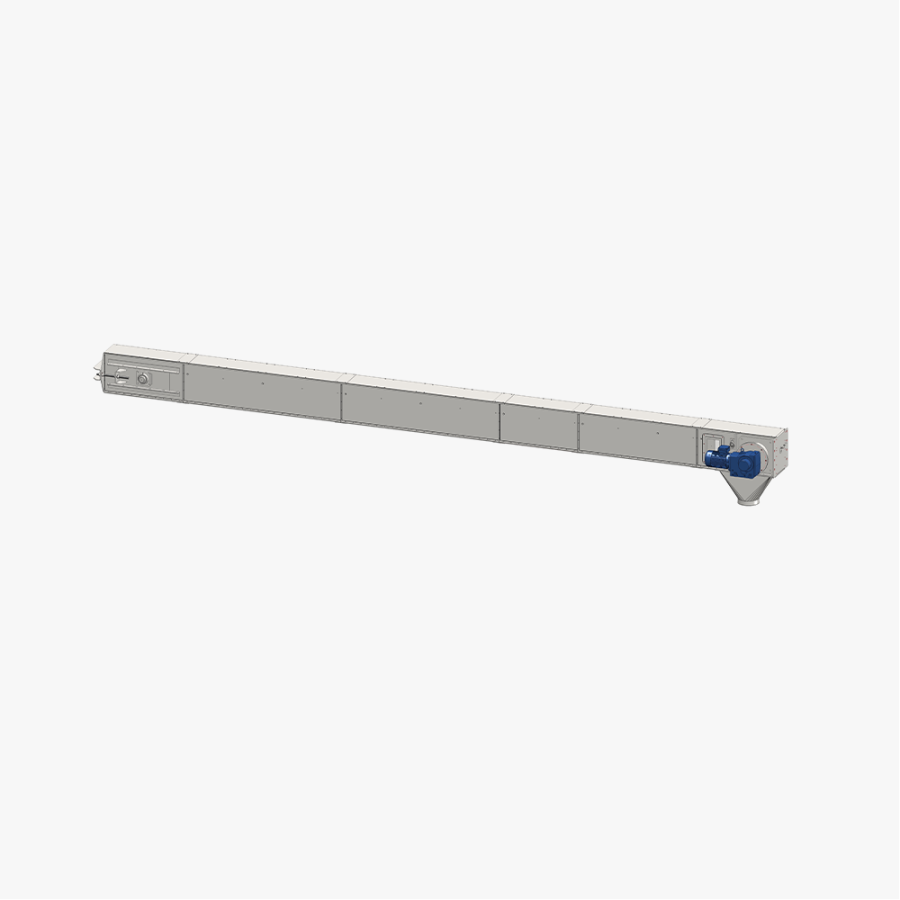
Pulls large volumes through an enclosed trough – dust-tight and the standard choice for long conveying distances.


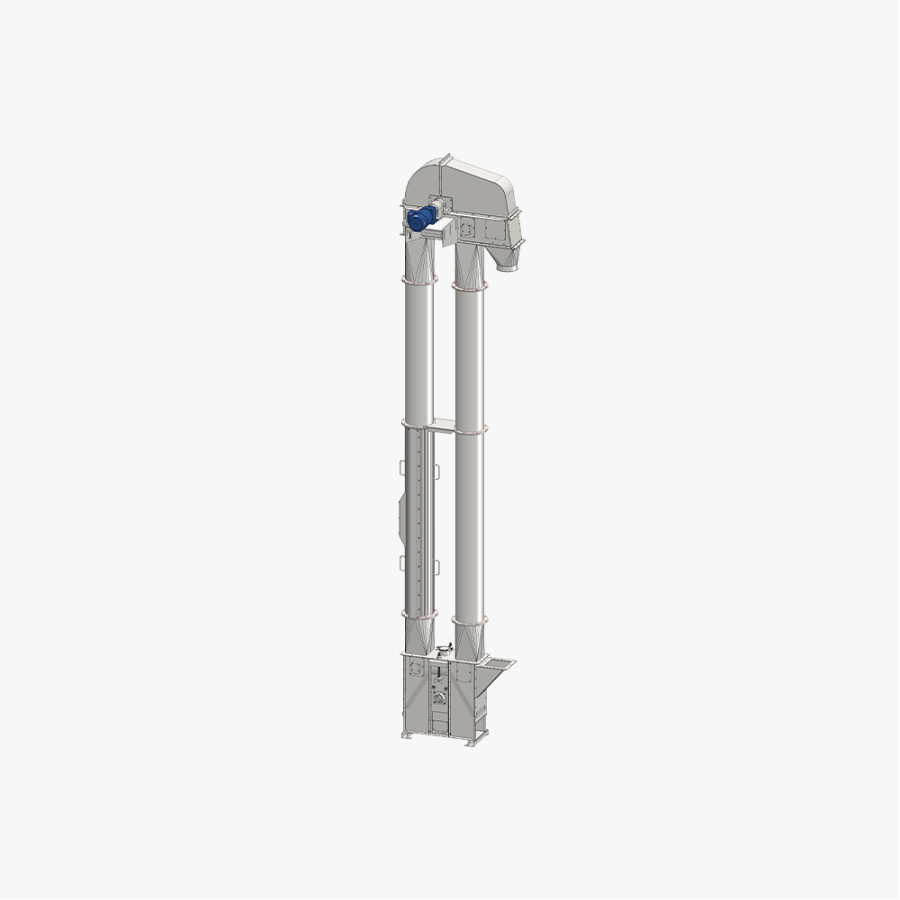
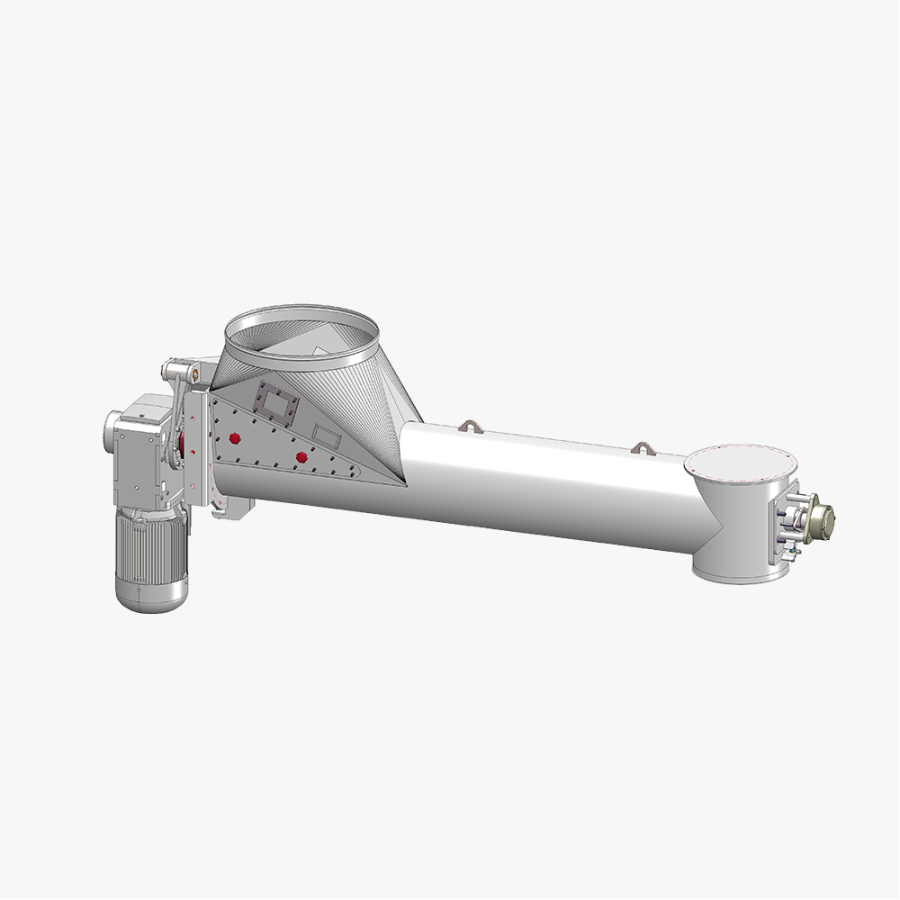
Drag chain conveyors, elevators and screw conveyors for horizontal, rising and vertical paths – designed for product, quantity and building height.

Conveying technology is only noticed when it stops. Yet it determines whether a plant reaches its throughput: an undersized elevator slows down the entire line, an incorrectly chosen screw conveyor segregates the product or destroys sensitive pellets.
That’s why we choose not by catalog, but by product: bulk density, flowability, moisture and abrasiveness determine which conveying system goes where.

Chains, buckets and screw flights are wear parts. Our conveyors are designed to be serviceable without dismantling half the plant – with accessible inspection hatches and spare parts from our own production.
About Conveying

Are you planning a new plant for conveying or want to expand an existing one? Briefly describe your product and desired throughput – we'll get back to you.
Conveying
Roughly speaking: the screw conveyor is compact and economical for short distances, the drag chain conveyor gently transports large quantities horizontally, and the elevator handles the vertical path. In practice, we combine all three.
With incorrect design, yes – abrasion mainly results from high speeds and drop heights. For sensitive products, we choose slow-running chain conveyors and avoid unnecessary transfer points.
This depends almost entirely on the product: mineral additives are significantly more abrasive than grain. For highly abrasive products, we use wear-resistant linings.
Through enclosed construction and targeted extraction at transfer points. This isn’t just a cleanliness question: dust from organic products can be explosive in unfavorable cases.
Yes, that’s one of our most common orders. We measure on site, prefabricate the components in Lastrup, and typically install them within a planned shutdown.